Budget 2026: Healey Increases Taxes on Financial Sector
Chancellor Healey's 2026 budget raises taxes on banks and landlords to fund £100 winter payments for 20 million households amid cost of living pressures.
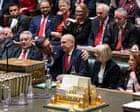
Chancellor Healey's Budget 2026 Fiscal Strategy Unveiled
In a significant fiscal intervention, Chancellor John Healey has unveiled the Budget 2026 tax increases targeting major financial players and property owners. The comprehensive budget speech revealed that tax rises on banks and landlords will generate substantial revenue dedicated to supporting millions of struggling households during the winter months.
The Budget 2026 tax increases represent a deliberate policy choice to redistribute wealth and address mounting economic pressures. With twenty million families set to receive £100 winter payments, the government has prioritized direct household support as a central plank of its cost of living strategy.
Financial Sector and Property Market Taxation Changes
The Budget 2026 introduces new levies on the banking sector and residential property market. These tax mechanisms are designed to generate the funding necessary for the winter assistance scheme while maintaining broader fiscal objectives. The taxation framework reflects broader concerns about income inequality and the capacity of vulnerable households to meet essential winter expenses.
Banks and landlords, identified as key revenue sources, face heightened fiscal obligations under the new budget framework. The increased taxation burden on financial institutions and property owners represents a strategic rebalancing of the tax system toward supporting household welfare initiatives.
Global Economic Context and Domestic Challenges
Chancellor Healey's commentary on the Budget 2026 emphasized the role of international economic disruptions in shaping fiscal policy. The chancellor referenced "global economic storms" as contributory factors to persistent inflationary pressures and elevated energy costs affecting British households.
Geopolitical tensions, particularly developments in Iran affecting oil and gas markets, continue to exert upward pressure on energy prices. These external factors underscore the limited scope of domestic policy interventions in addressing commodity-driven cost increases. The chancellor's fiscal approach acknowledges these constraints while attempting to provide targeted relief through direct household payments.
Winter Payment Scheme Details
The £100 winter handout scheme represents the government's most visible cost of living intervention in the Budget 2026. Targeting twenty million households, the payment scheme aims to provide immediate financial relief during the period of highest energy consumption and elevated heating costs.
The scale of the scheme demonstrates the government's commitment to addressing household financial pressures through direct transfers. By channeling revenue from banking and property taxation into winter payments, policymakers attempt to create a progressive fiscal mechanism that supports vulnerable populations while requiring higher-income economic participants to contribute proportionally greater tax revenues.
Economic Outlook and Persistent Challenges
Official economic forecasts referenced during the Budget 2026 announcement indicated that cost of living pressures will persist throughout the medium term. These forecasts suggest that the winter payment scheme represents a necessary but potentially temporary intervention in addressing deeper structural economic challenges.
The chancellor's acknowledgment of ongoing economic headwinds reflected realistic assessments of Britain's economic trajectory. Rather than projecting rapid resolution of inflationary pressures or energy market instability, government economic advisors maintained cautious outlooks regarding medium-term cost of living trends.
Political and Policy Implications
The Budget 2026 represents John Healey's inaugural budget statement as chancellor. The policy choices reflected in this budget establish the government's fiscal priorities and reveal preferences regarding wealth redistribution and household support mechanisms.
By prioritizing direct payment schemes funded through financial sector and property market taxation, the government has signaled its preference for visible, immediate household assistance over alternative approaches such as broader tax cuts or sustained public investment programs. This choice reflects both political calculation regarding voter preferences and pragmatic assessments of economic conditions.
Implementation and Future Considerations
The successful implementation of Budget 2026 tax increases will depend on administrative capacity and political durability. The taxation measures targeting banks and landlords will require careful design to avoid counterproductive economic responses such as reduced lending activity or diminished rental property investment.
Future budgets will determine whether the winter payment scheme continues or whether alternative cost of living interventions replace it. The sustainability of the approach remains subject to economic developments, particularly regarding energy price movements and broader inflationary trends that continue shaping household financial circumstances.